The killer slugs have been extra active this year and are something we have talked about on the garden visits. Few things can ruin a garden, and the desire to garden!, as effectively as a bunch of slugs! Since they can mate with themselves and quickly have hundreds of children and then grandchildren, they are a scourge in the garden. Unfortunately, slugs also love what the soil, plants and wildlife, both in micro and macro format, also love – namely a garden with a little mess, many different materials and environments, cover crops, a mix of perennials and annuals, etc. At the same time as it nourishes the soil and increases biodiversity, it also gives the slugs many hiding places and places to rejuvenate.
There is no a ways to combat slugs, but the best is probably to combine several different methods. To cut of the snail or decapitating it with a shovel, just behind the mantle, is an effective way. But it is important to be outside often, best is evening, early morning and after rain. Start as soon as the heat comes in spring - the more snails you kill in spring, the fewer baby snails will hatch later. Baby snails are often light gray, not brown like the adults. Also look for egg clusters. They look like small whitish beads that are together. To attract the snails, you can do snail traps of sourdough, beer, banana peels, fish guts or anything else that smells of yeast or rot, or plant attractive crops such as tagetes at the far end of the land. You can also lay out pieces of wood, stones or similar for the snails to hide under, then just lift and whittle. Snail medicine and nematodes are preparations you can buy to control slugs. Read the instructions carefully.
By examining the garden, looking through covering material and lifting stones, plants, etc., you will soon learn where the snails thrive and hide.
It is possible to grow cover crops despite snails, but you may need to adapt a little. For example, apply thinner layers at a time and let it dry, avoid watering in the evening and ruffle the cover material in the winter to prevent overwintering snails and eggs from freezing to death.
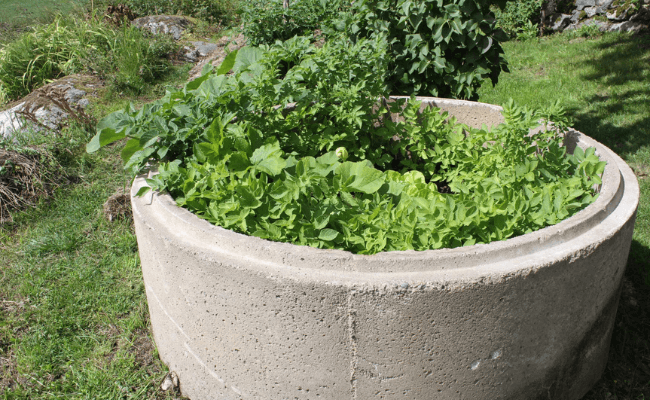
You can build an electric snail fence around the fields. It should also be possible to spread ash, lime, coffee grounds or similar to reduce the snails' desire to enter the crops.
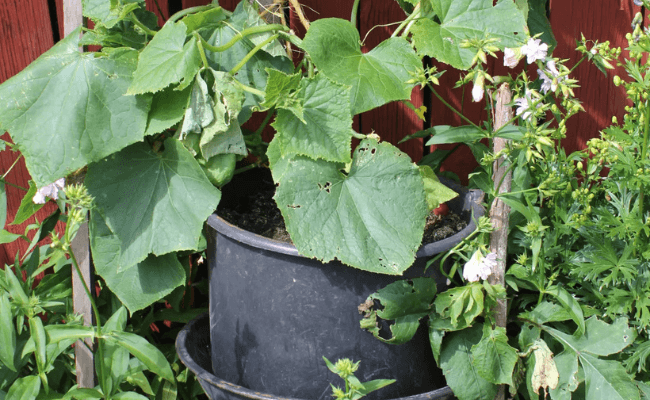
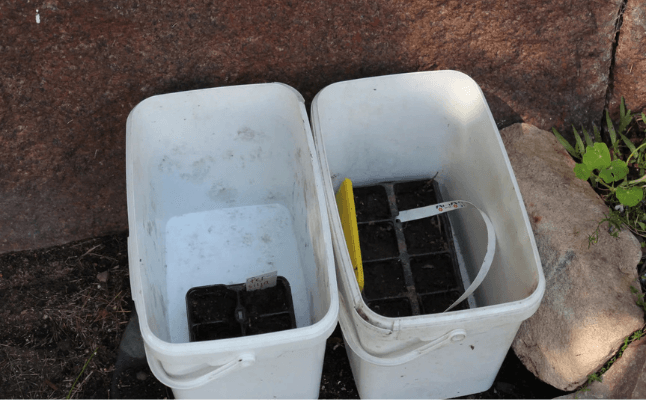
By pulling up seedlings and planting out gives you a small(!) head start against the snails. Unfortunately, this doesn't work for carrots and other underground root vegetables, as they have to be sown directly. Above-ground root vegetables like beets and swedes, on the other hand, can be pulled up into the bed and planted out. Pull up extra plants in case the snails eat some.
Ducks and chickens can be effective snail hunters if they are allowed to roam outside the crops and sometimes, at least in spring and autumn, visit the garden itself. Ducks may need to be accustomed to the snails and my own experience is that they want water available to be able to swallow the slimy animals. Chickens do not eat adult snails but may peck at eggs and babies, and tear up the hiding places so that they freeze to death in winter.
Combine as many methods as possible and persevere and keep your courage up! Even if it is not possible to get rid of the beasts completely, it should be possible to reduce the pressure considerably. Now we are hoping for a really cold winter, with frostbite on bare ground, so that nature will help reduce the population for next year.
If you don't already have assassin slugs – be careful when buying new plants! Check carefully for slugs and eggs. By rinsing the roots completely clean of soil and replanting in new soil, the risk is almost completely eliminated. Even safer is to take seeds and cuttings instead.